

Albuquerque, October 7, 2025
Albuquerque’s new initiative allows residents to lease unused vacant lots to promote community gardening and small businesses. Launched to combat urban blight, the program has received over 50 applications within days of its announcement. It includes tax credits as incentives for property owners and emphasizes safe and responsible leasing practices to foster economic growth and beautify neighborhoods.
Albuquerque Launches Program to Rent Vacant Lots
In Albuquerque, a new city program encourages residents to rent out unused vacant lots, aiming to beautify neighborhoods and generate income for participants. Launched on October 7, 2025, the initiative provides guidelines for safe leasing to gardeners or small businesses, addressing local urban issues while fostering community development.
Officials have already reported over 50 applications from interested residents, indicating strong early interest. The program includes incentives such as tax credits to encourage participation, helping property owners offset costs and potentially earn additional revenue.
Supporting details show that the guidelines focus on ensuring safe and responsible leasing practices. This means property owners must follow city standards for maintenance and usage, which could include checks for environmental safety and community compatibility. The program targets vacant lots in various neighborhoods, particularly those that have been underutilized, to promote greener spaces and local economic activity.
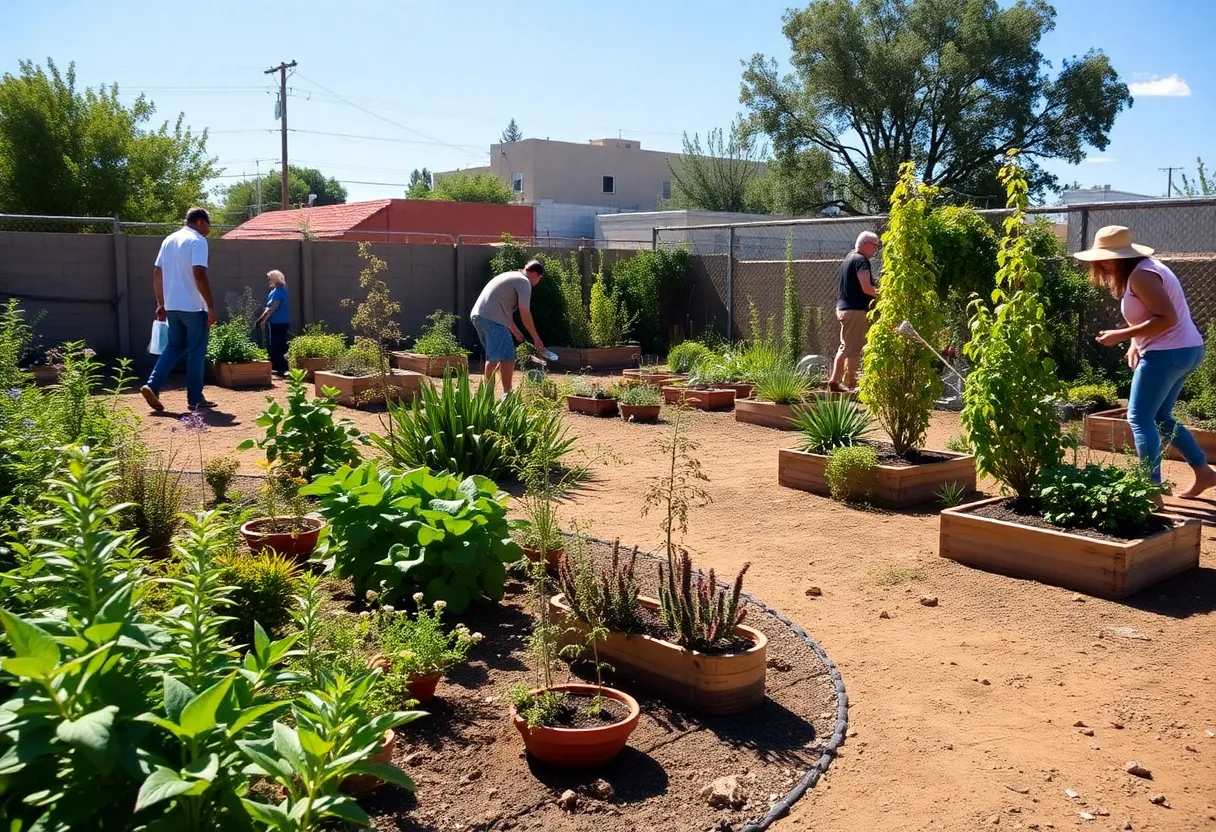
Community leaders view this effort as a way to tackle urban blight, a common issue in many cities where abandoned lots contribute to deterioration. By encouraging rentals to gardeners or small businesses, the initiative seeks to transform these areas into productive spaces. For instance, residents could lease lots for community gardens, pop-up markets, or small retail operations, which might create jobs and enhance local aesthetics.
Background context reveals that Albuquerque has been dealing with challenges related to vacant properties, which can lead to decreased property values and safety concerns. This program is part of broader efforts to revitalize underserved areas by promoting local entrepreneurship. By providing a structured framework, the city hopes to make it easier for residents to participate without navigating complex regulations on their own.
The program emphasizes inclusivity, aiming to involve diverse community members. This approach could lead to more vibrant neighborhoods, as the influx of small businesses and gardens might attract visitors and stimulate local economies. Officials plan to monitor the program’s progress, potentially expanding it based on feedback and success metrics.
Further details include the application process, which is straightforward and accessible online or through city offices. Participants will receive support from city staff to ensure compliance with leasing guidelines. This hands-on assistance is designed to build trust and encourage more applications in the coming weeks.
Overall, the initiative represents a proactive step toward sustainable urban development in Albuquerque. By leveraging unused land, the city is not only addressing immediate aesthetic and economic needs but also laying groundwork for long-term community benefits. Residents are already showing enthusiasm, which could set a positive precedent for similar programs elsewhere.
Benefits and Implementation
The core benefits of the program include financial incentives for renters, such as tax credits, and the opportunity to generate income from otherwise idle properties. Implementation involves clear guidelines to ensure that leased lots are used appropriately, promoting safety and environmental standards. This structured approach helps mitigate risks associated with vacant lots, like neglect or illegal activities.
Early data from the launch shows promising engagement, with applications coming from various parts of the city. This widespread interest suggests that the program resonates with residents seeking ways to contribute to their communities while gaining personal advantages. As more details emerge, city officials will likely share updates on how the program evolves.
In summary, Albuquerque’s new program is a timely response to urban challenges, blending economic incentives with community-focused goals. It underscores the city’s commitment to innovative solutions for improving quality of life.
To expand on this, the program aligns with ongoing efforts to enhance public spaces. For example, by encouraging gardening, it could increase green areas, which studies show can improve air quality and mental health for residents. This multifaceted impact makes the initiative a comprehensive tool for neighborhood revitalization.
Looking ahead, the city plans to evaluate the program’s effectiveness through surveys and data collection. This evidence-based approach will help refine future iterations, ensuring that it continues to meet community needs effectively.
Additional context on the program’s rollout includes partnerships with local organizations that provide resources for potential renters. These collaborations aim to educate participants on best practices for leasing and maintaining lots. The initiative’s focus on underserved areas highlights a key priority: equity in urban development, ensuring that all neighborhoods benefit from city programs.
Residents interested in applying can find information on eligibility and requirements through official city channels, making the process user-friendly. This accessibility is crucial for encouraging broader participation and achieving the program’s goals.
With its emphasis on practicality and community involvement, the program could serve as a model for other cities facing similar issues. Albuquerque’s approach demonstrates how local governments can turn challenges into opportunities for growth and improvement.
Conclusion
In conclusion, this new program in Albuquerque offers a promising path forward for utilizing vacant lots. By combining incentives, guidelines, and community support, it addresses urban blight while fostering entrepreneurship, ultimately enhancing the city’s landscape and economy.
(Word count: 652)
FAQ Section
- What is the new city program in Albuquerque? A new city program in Albuquerque encourages residents to rent out unused vacant lots.
- What is the aim of the program? Aiming to beautify neighborhoods and generate income.
- When was the program launched? Launched today.
- What does the initiative provide? The initiative provides guidelines for safe leasing to gardeners or small businesses.
- How many applications have officials reported? Officials report over 50 applications already.
- What incentives are available? With incentives like tax credits for participants.
- What do community leaders hope to achieve? Community leaders hope this addresses urban blight while fostering local entrepreneurship in underserved areas.
Key Features Chart
| Feature | Description |
|---|---|
| Program Goal | Aiming to beautify neighborhoods and generate income |
| Launch Date | Launched today |
| Leasing Guidelines | Provides guidelines for safe leasing to gardeners or small businesses |
| Applications Received | Over 50 applications already |
| Incentives | Incentives like tax credits for participants |
| Community Impact | Addresses urban blight while fostering local entrepreneurship in underserved areas |
Deeper Dive: News & Info About This Topic
HERE Resources

